
Ordinary Bench Scenes That Capture Urban Life.
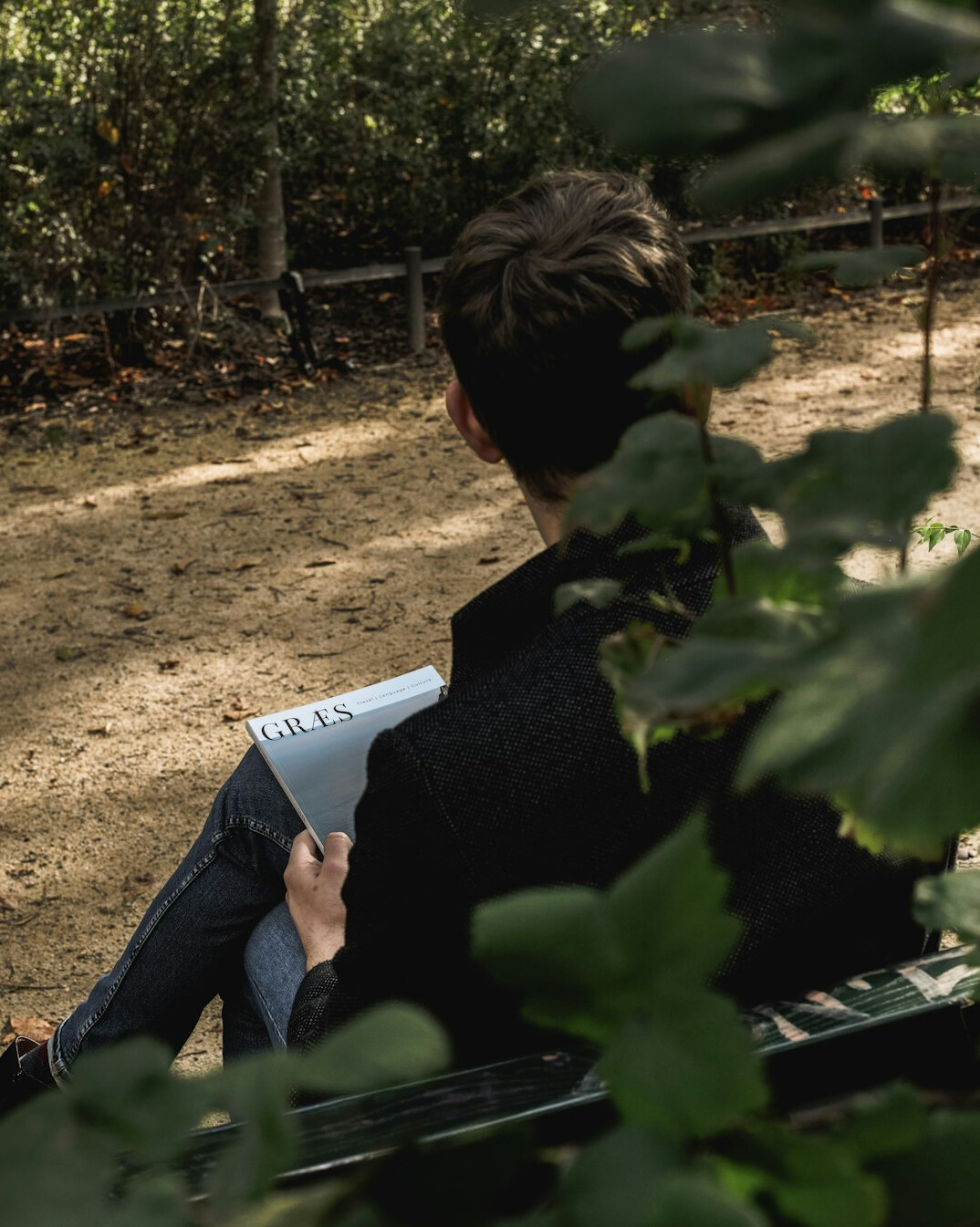
In the heart of bustling cities, benches stand as silent witnesses to the ebb and flow of daily life. People pause there for a moment, whether to catch their breath after a long walk or simply watch the world pass by. These ordinary seats, often made of wood or metal, become stages for small dramas that unfold without fanfare.
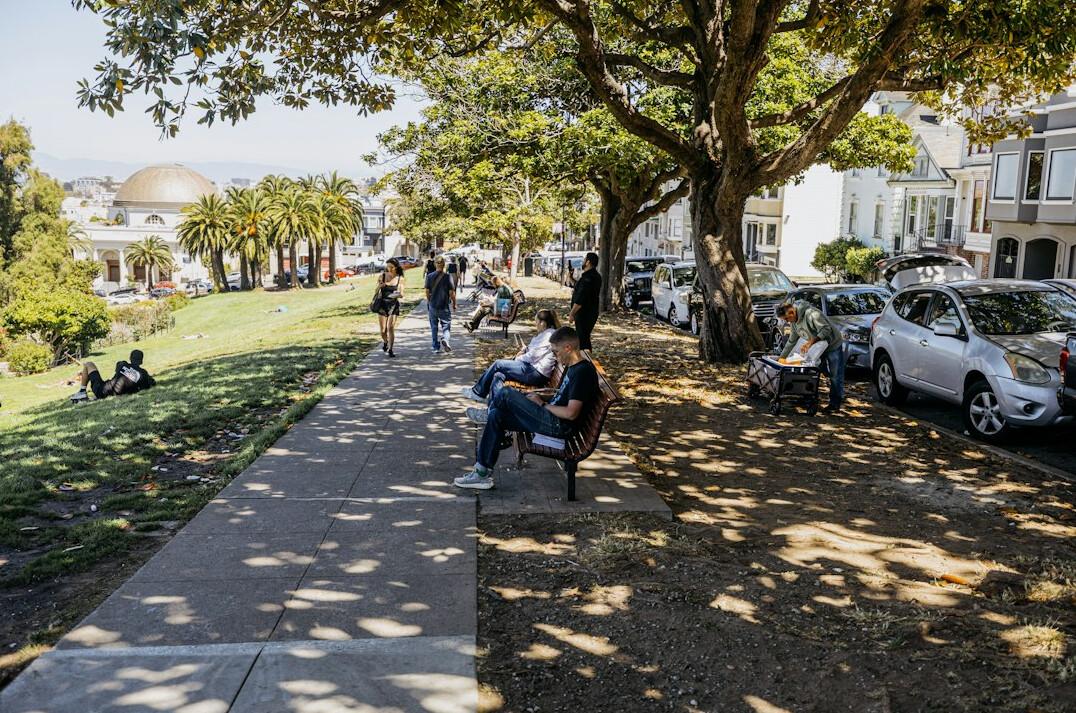
Take a typical morning in a downtown square. A young professional arrives early, coffee in hand, and claims a spot near the fountain. She scrolls through her phone but occasionally looks up at the pigeons gathering nearby. Her posture relaxes as the minutes tick by, turning the bench into a temporary office away from the office.
Quiet Conversations and Shared Spaces
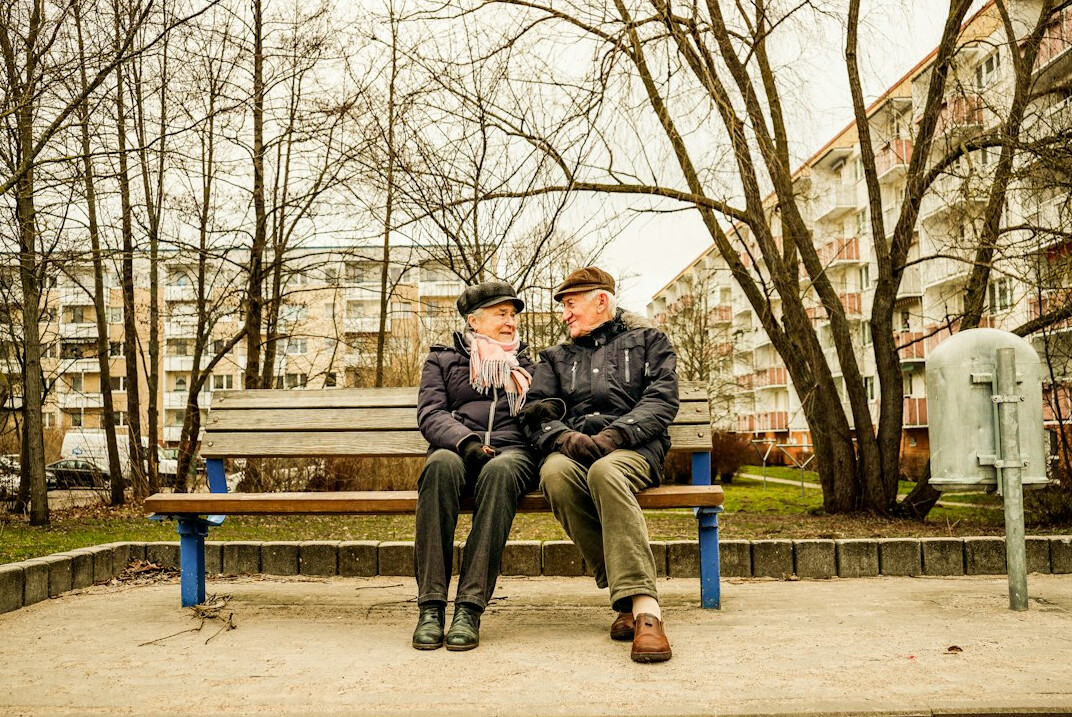
Afternoons bring different visitors. Two elderly men settle on a bench facing the street, their voices low as they discuss the latest neighborhood changes. One gestures toward a new building rising in the distance, while the other nods in agreement. Such exchanges happen daily, weaving threads of community without anyone noticing.
Children sometimes claim the benches too, though not always for sitting. A group might perch on the backrest, legs dangling, as they plan their next game in the nearby playground. Their laughter mixes with the distant hum of traffic, adding a layer of energy to the scene.
Evening Reflections
As daylight fades, the benches attract those seeking solitude. A lone figure might stretch out with a book or simply stare at the glowing windows of surrounding towers. These moments of pause feel essential amid the constant motion of city routines.
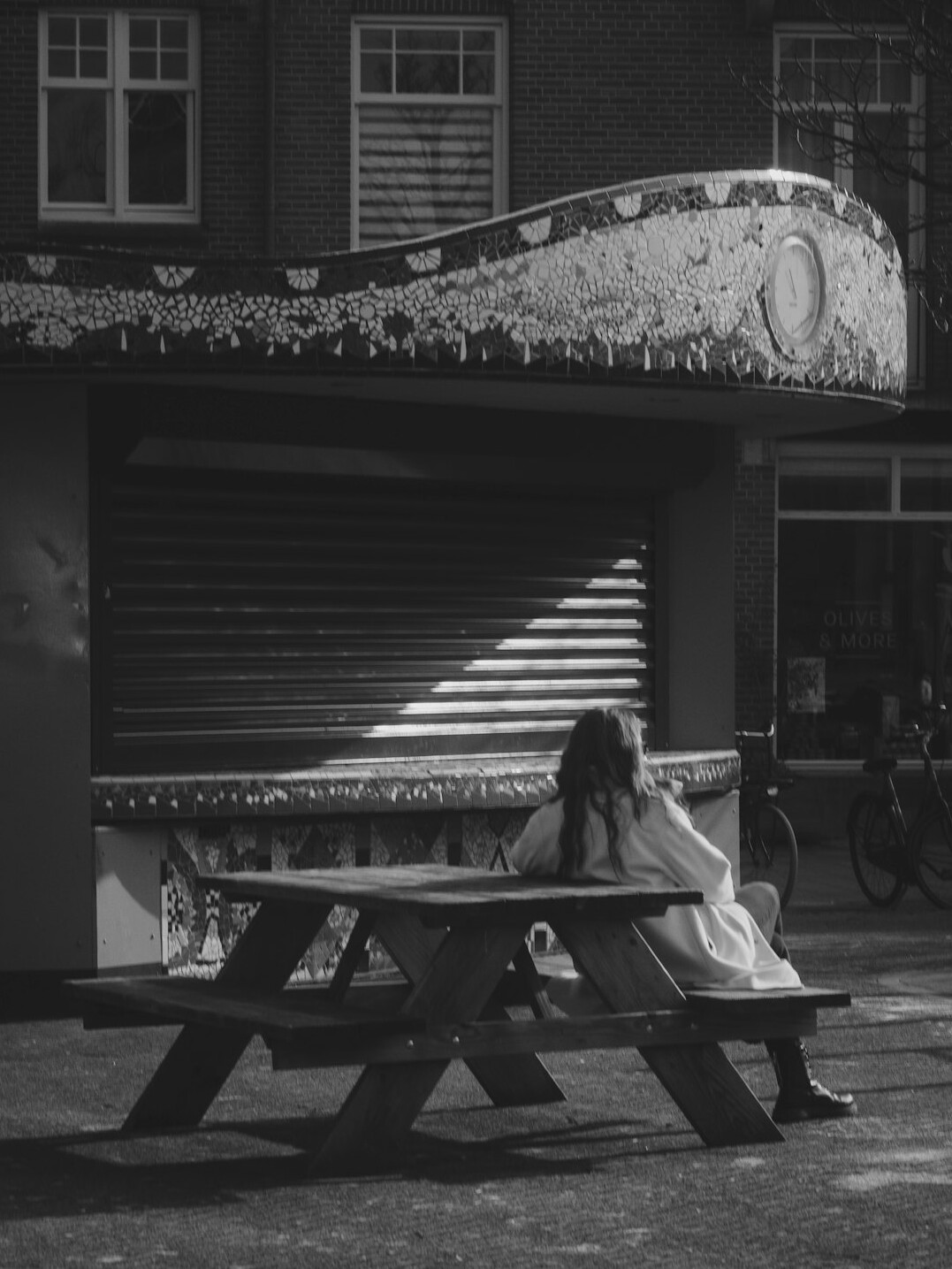
Weather plays its part as well. On rainy days, the benches empty quickly, but after a storm clears, they fill again with people enjoying the fresh scent in the air. Each season shifts the cast of characters: spring brings couples, summer draws families, and winter sees bundled-up individuals hurrying to warmer spots nearby.
Stories in the Details
What makes these scenes compelling is their universality. No two days repeat exactly, yet patterns emerge across neighborhoods. A discarded newspaper left open on a seat tells of someone who rushed off suddenly. A forgotten umbrella hints at a change in plans. These small traces linger until the next person arrives.
Ultimately, benches anchor the ordinary in ways that highlight what makes city living unique. They offer respite without demanding anything in return, allowing the full spectrum of urban existence to play out in plain sight.