
How Market Stalls Reveal Neighborhood Stories
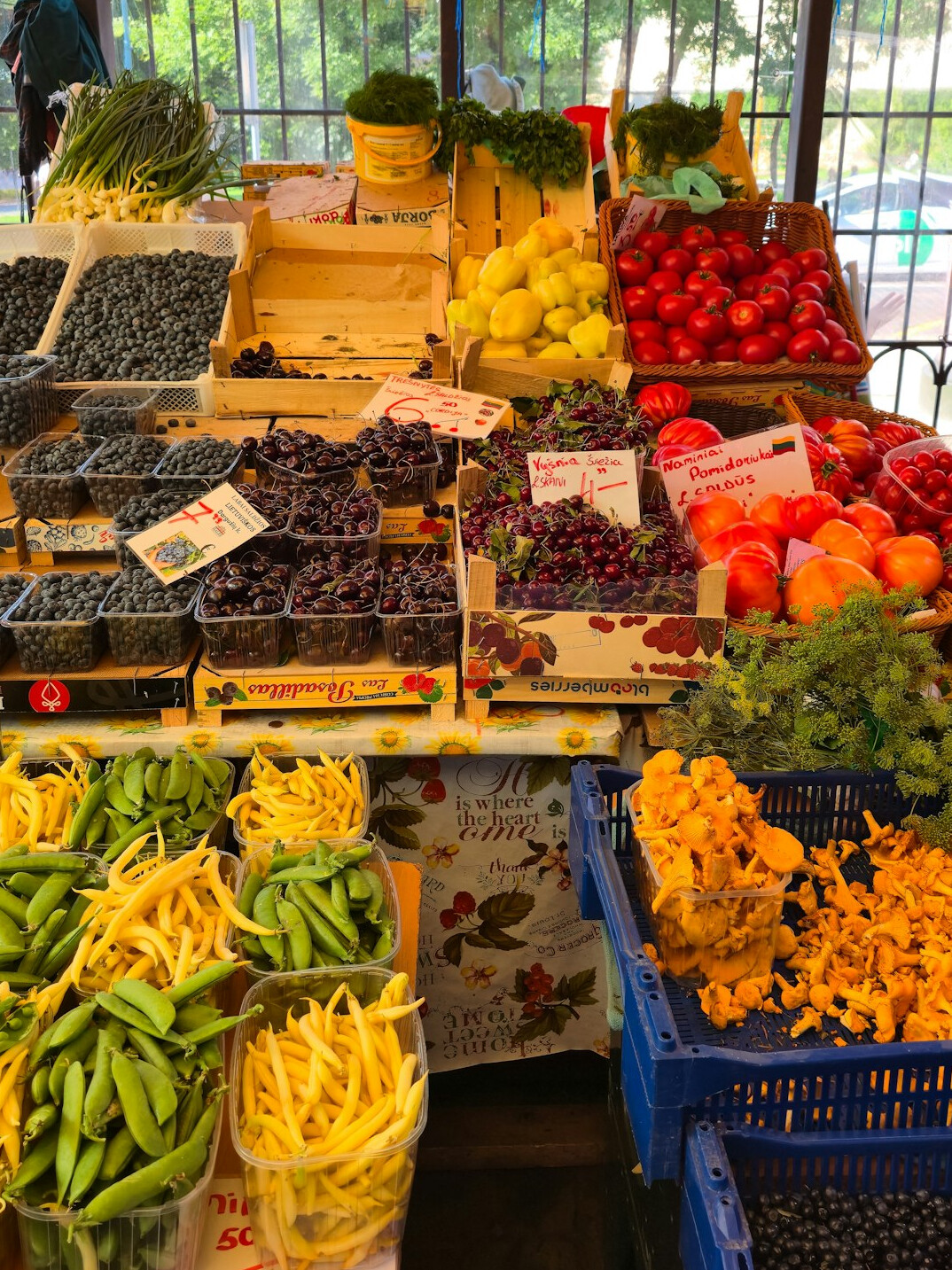
Walking through the narrow aisles of a city market on a weekday morning feels like stepping into a living archive of the neighborhood. The air carries the scent of fresh herbs mingled with the sharp tang of citrus, while vendors call out their specials in rhythms that echo the local accent. These stalls are not just places to buy produce or snacks; they quietly map out the stories of who lives here and how the area has changed over time.
The Vendors and Their Roots
Take the elderly man at the corner stall selling tomatoes and basil. His family has run this spot for three generations, and he still prices items the old way, chatting with regulars about the weather or local politics. Next to him, a younger woman offers handmade pastas and sauces inspired by her grandmother's recipes from abroad. Their conversations with customers reveal layers of migration and adaptation that shape the block.
Everyday Interactions That Build Community
Shoppers linger not just to haggle but to share news. A quick exchange about a new cafe opening down the street turns into a longer talk about rising rents. Children dart between crates, grabbing samples of dried fruit while parents catch up with neighbors they might otherwise only see at the bus stop. These moments turn a simple errand into a thread that holds the community together.

Goods That Tell Local Tales
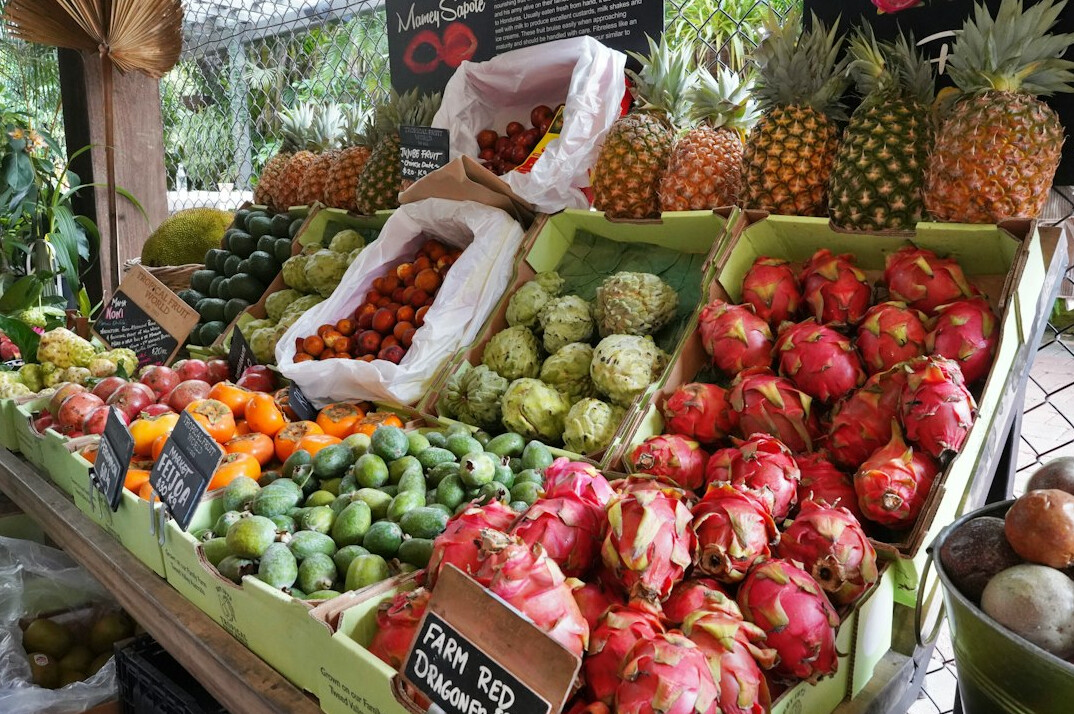
The produce itself carries clues. Seasonal items like early spring greens appear first at stalls run by families with nearby gardens, while imported spices reflect the diverse backgrounds of newer residents. Handwritten signs in multiple languages point to the mix of cultures calling this area home. Over time, certain stalls become known for specialties that mark neighborhood milestones, such as holiday treats sold only in December or summer fruits that signal the start of festival season.
One regular customer mentioned how the market helped her feel connected after moving to the city alone.
Changes Over the Years
Longtime visitors notice shifts too. Stalls once heavy with industrial snacks now feature organic options and zero-waste packaging, mirroring broader city trends toward sustainability. Yet the core remains: the same friendly faces and the sense that this space belongs to everyone who passes through. In these ordinary routines, the market stalls quietly preserve the evolving identity of the neighborhood, one transaction at a time.

As the morning light shifts and the crowds thin, the stalls begin to pack up, leaving behind a cleaner pavement and the faint echo of laughter. These scenes repeat across cities everywhere, reminding us that the most authentic stories often unfold in the simplest of public spaces.